
Kindergarten readiness checklist: is my child ready for kindergarten?
Kindergarten registration opens in many US school districts between January and spring, which means fall is when parents of four year olds start asking the big question: is my child ready for kindergarten? You may have heard friends talk about "redshirting," or seen long checklists online that make it sound like your child should already be reading.
The reality is calmer. Kindergarten teachers are not looking for children who can read and write. They are looking for children who can manage themselves, get along with others, follow simple directions, and stay curious. Academic skills matter too, but less than most parents think. This guide gives you a realistic kindergarten readiness checklist, an interactive checker, and simple ways to fill any gaps at home before the first day.
On this page
1. How old does my child need to be for kindergarten?
In most US states, a child must turn five by a cutoff date to start kindergarten that school year. September 1 is the most common cutoff, but dates vary by state and sometimes by district, ranging from summer to late in the year. A few states leave it to local districts entirely.
Check your state's department of education or your school district's enrollment page for the exact date. If your child's birthday falls close to the cutoff, you will have a real choice to make, which we cover further down.
2. What kindergarten teachers say matters most
Ask a kindergarten teacher what makes a child "ready," and you will rarely hear "knows all 26 letters." You are much more likely to hear things like:
- Can separate from a parent without long distress.
- Can use the bathroom independently and wash their hands.
- Can listen to a short story and follow a two-step direction.
- Can take turns, share, and ask an adult for help.
- Can sit for 10 to 15 minutes of group time.
- Is curious and willing to try new things.
Academic basics such as recognizing letters, counting objects and holding a pencil help a child feel confident in class, but they are taught during kindergarten. A child who arrives knowing a few letters but able to manage their feelings is usually better placed than one who can read but melts down when asked to put a toy away.
Is my child ready for kindergarten?
Tick what your child can do most of the time. You will see a score for each area and where to focus.
A guide for parents, not a formal assessment. Every child develops at their own pace.
3. Social and emotional skills
This is the area teachers mention first, because a classroom of 20 five year olds only works when children can manage themselves. Signs of readiness:
- Plays cooperatively with other children for short periods.
- Can wait a short time for a turn.
- Uses words to express needs and feelings, at least some of the time.
- Accepts simple rules and routines.
- Recovers from small upsets with some adult help.
How to build it: playdates, board games that require waiting, and naming feelings out loud ("You're disappointed the game is over"). Visiting the school playground before the first day also helps nervous children.
4. Self-care and independence
Kindergarten teachers cannot zip 20 jackets and open 20 yogurt tubes. The more your child can do alone, the more confident they feel.
- Uses the bathroom, flushes, and washes hands without help.
- Puts on a coat and shoes; velcro shoes are perfectly fine.
- Opens their lunchbox, water bottle and snack packaging.
- Blows their nose and covers a cough.
- Knows their full name and a parent's name.
How to build it: practice with the actual lunchbox and backpack your child will use. Pack a "pretend school lunch" on weekends and let them open everything alone.
5. Early literacy and math skills
These are helpful but not required. Most kindergarten programs teach letters, sounds and numbers from the start. A child who arrives with some foundations simply has an easier time.
Literacy
- Enjoys being read to and can talk about a story.
- Recognizes their own name and some letters, especially in their name.
- Knows that print goes left to right and that words carry meaning.
- Can hear rhymes (cat, hat) and some beginning sounds.
Math
- Counts to 10 out loud and counts small groups of objects.
- Recognizes some numerals.
- Names basic shapes and colors.
- Understands more, fewer and the same.
Our guides on teaching phonics at home and teaching numbers and counting include simple activities and interactive games for both.
6. Fine motor skills
Kindergarten involves a lot of cutting, gluing, coloring and, gradually, writing. Strong little hands make all of it easier.
- Holds a crayon or pencil with the fingers rather than a fist.
- Copies a circle, a cross and possibly a square.
- Snips and begins to cut along a line with child-safe scissors.
- Strings large beads and builds with small blocks.
Our list of 30 fine motor activities has easy ideas using things you already have, and how to teach a child to hold a pencil walks through grip step by step.
7. How to prepare at home: a 3-month plan
You do not need a curriculum. Ten to fifteen minutes of focused practice a day, plus lots of reading and play, is plenty.
- Month 1: Routines and handsSet a daily "table time." Coloring, play dough, stickers, and pre-writing lines. Practice self-care skills daily.
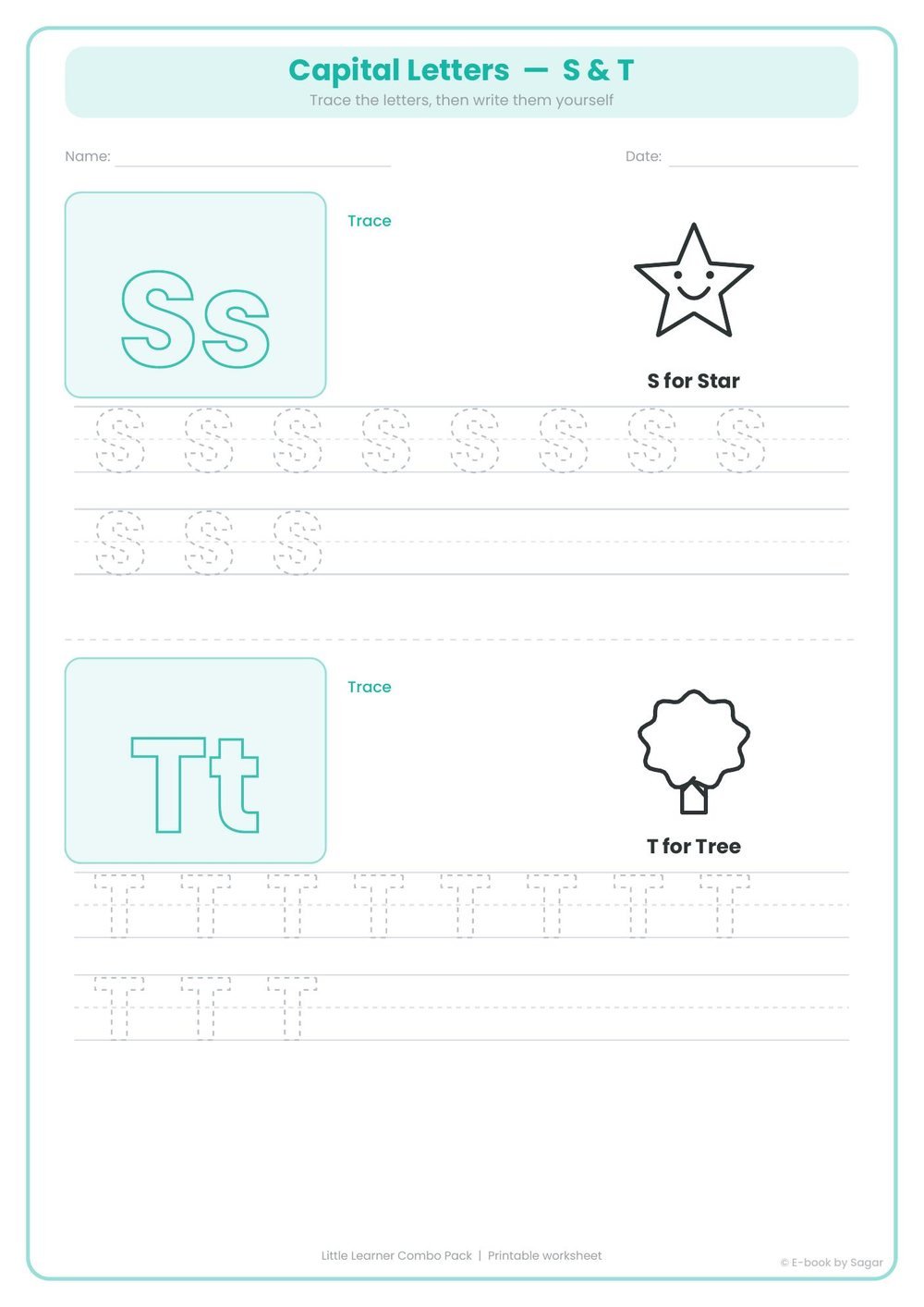
- Month 2: Letters and numbersTrace the letters in your child's name, then other capitals. Count real objects and trace numbers 1–10.
- Month 3: School rehearsalPractice the morning routine, the lunchbox, and the bus or drop-off. Read books about starting kindergarten.
A simple three-month plan before kindergarten starts
Throughout all three months, read aloud every day. It is the single most effective thing parents can do for school readiness, and it costs nothing.
8. Should you wait a year?
"Redshirting" means delaying kindergarten by a year, usually for children with summer or fall birthdays close to the cutoff. It is a personal decision, and research on long-term benefits is mixed. Things worth considering:
- Your child's social and emotional readiness matters more than academic skills.
- Talk to their preschool teacher, who sees them in a group setting every day.
- Consider the alternative: what will the extra year look like? A strong pre-K program can be valuable; an extra year with few opportunities may not be.
- Check your district's policy, since some have rules about older children entering kindergarten.
9. Questions parents ask
What age does a child start kindergarten in the US?
Most states require a child to be five by a cutoff date, most commonly September 1, to start kindergarten that school year. Dates vary by state and sometimes by district, so check your local enrollment page.
What should a child know before kindergarten?
Teachers value social and self-care skills most: separating from parents, using the bathroom alone, following two-step directions, and taking turns. Helpful academic basics include recognizing their name and some letters, counting 10 objects, and holding a crayon with the fingers.
Does my child need to read before kindergarten?
No. Reading is taught in kindergarten. It helps if your child enjoys books, recognizes some letters and can hear rhymes, but most children start kindergarten as non-readers.
Should I hold my child back a year from kindergarten?
It depends on the child. Consider their social and emotional readiness, ask their preschool teacher, think about what the extra year would offer, and check your district's policy. Research on long-term benefits is mixed.
How can I prepare my child for kindergarten at home?
Read aloud every day, practice self-care skills like jackets and lunchboxes, play counting and letter games, build hand strength with coloring and play dough, and rehearse the school morning routine.
Get kindergarten-ready, 15 minutes a day
The Little Learner Combo Pack has 150 printable worksheets for ages 2 to 6: tracing, early math, coloring, flashcards and routine charts. Instant PDF download, prints on US Letter. Under US$1.
See sample pages & get the pack